


Communication in leukemia
The bewilderment the illness brings points to a change in lifestyle and quality of life, and to the need for a new order. It starts a process that affects both the child and the family. The illness may involve different situations requiring inpatient or outpatient treatment. Factors such as the type and severity of the illness, the child's age, the family's circumstances and structure, its outlook on illness, a history of illness in more than one family member, and whether the condition is congenital or acquired can all shape the child's perception, feelings and reactions.
Loss or absence of organs, physiological and genetic diseases, intellectual disability, autism, attention deficit hyperactivity, speech disorders, developmental delay and other psychiatric and neurological conditions can restrict nutrition, physical activity, social interaction and personal care skills. This can leave the child feeling anxious and angry and increase the risk of depression.
Children want to feel protected and to know their needs will be met. A secure bond with the caregiver has to be built. They look for close attention, affection and understanding. The difficulties a family goes through can affect that emotional bond. The child worries about this order breaking down, becomes frightened, and does not feel that they or the people they love are safe.
Psychiatric problems, school failure, adjustment and behavioural difficulties and developmental delay can all appear. Speech delays, gaps in social skills, motor development problems and delays in age-appropriate behaviour may be seen. Sleep and appetite irregularities, a halt in weight and height growth, withdrawal and aggressive behaviour can also occur. Failure at school, dependence on the mother, problems with friendships, and anger and aggression towards siblings may follow.
A family can get through this process with support. In any illness or loss, acceptance is the first step. Accepting the illness has to be addressed first.
Families must be informed about the illness, the loss or other life events. The family and the child should be told about the type of illness, its course, its treatment and the process. The content of these explanations should be set according to the child's age and stage of development. Doctors and psychologists or psychiatrists should take on this task. Both the child and the family need to be informed. The family should learn how to cope, what to do, and what to expect from the process.
Counsellors should guide family members on how to behave. Home care and counselling services are also available. Research shows that families avoid informing their children about treatment and hospitalisation for various reasons, hide the situation from them, and give incomplete or incorrect information. Another study reports that children fear medical procedures because their families gave them insufficient information about them.
Every family differs in the problems it faces, in the illness itself, in its type and course, in the treatment process, in family relationships and in its socio-economic situation. A rehabilitation programme therefore has to be built for each family individually.
Statistics
We do not round the numbers down; we show them one by one. The figures below are based on the official records of the foundation's first thirty years and are published alongside current period reports.
More projectschildren treated with medication
children's ward opened in 1986
Opened by Prime Minister Turgut Özal and Semra Özal; the first institution to give children with leukemia private rooms.
bone marrow transplants
children's ward opened in 1986
26 October 1989 — every paediatric transplant centre in the country traces its lineage back to here.
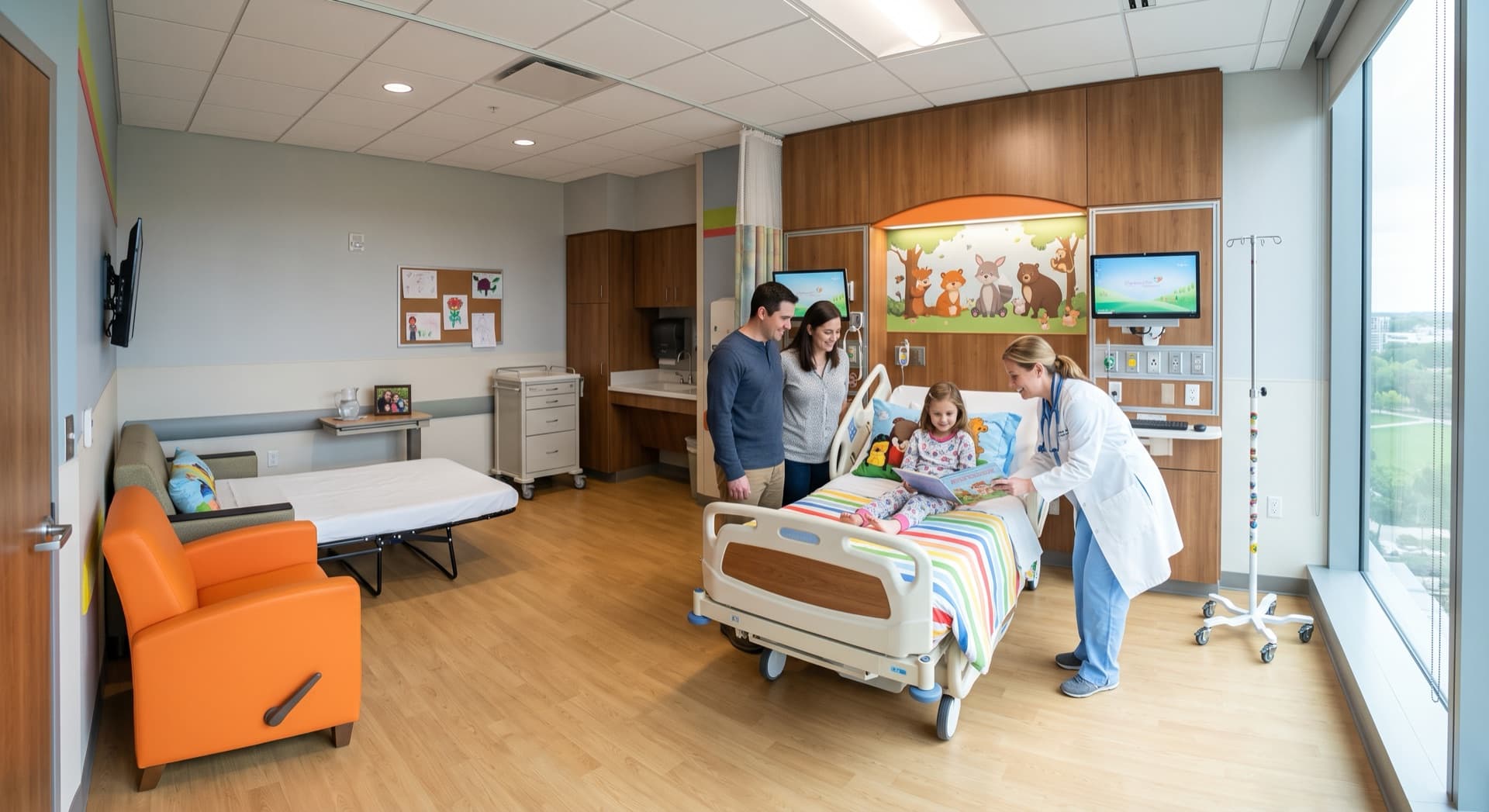
We cover the uncovered costs of medication, blood products, tests and transplantation.
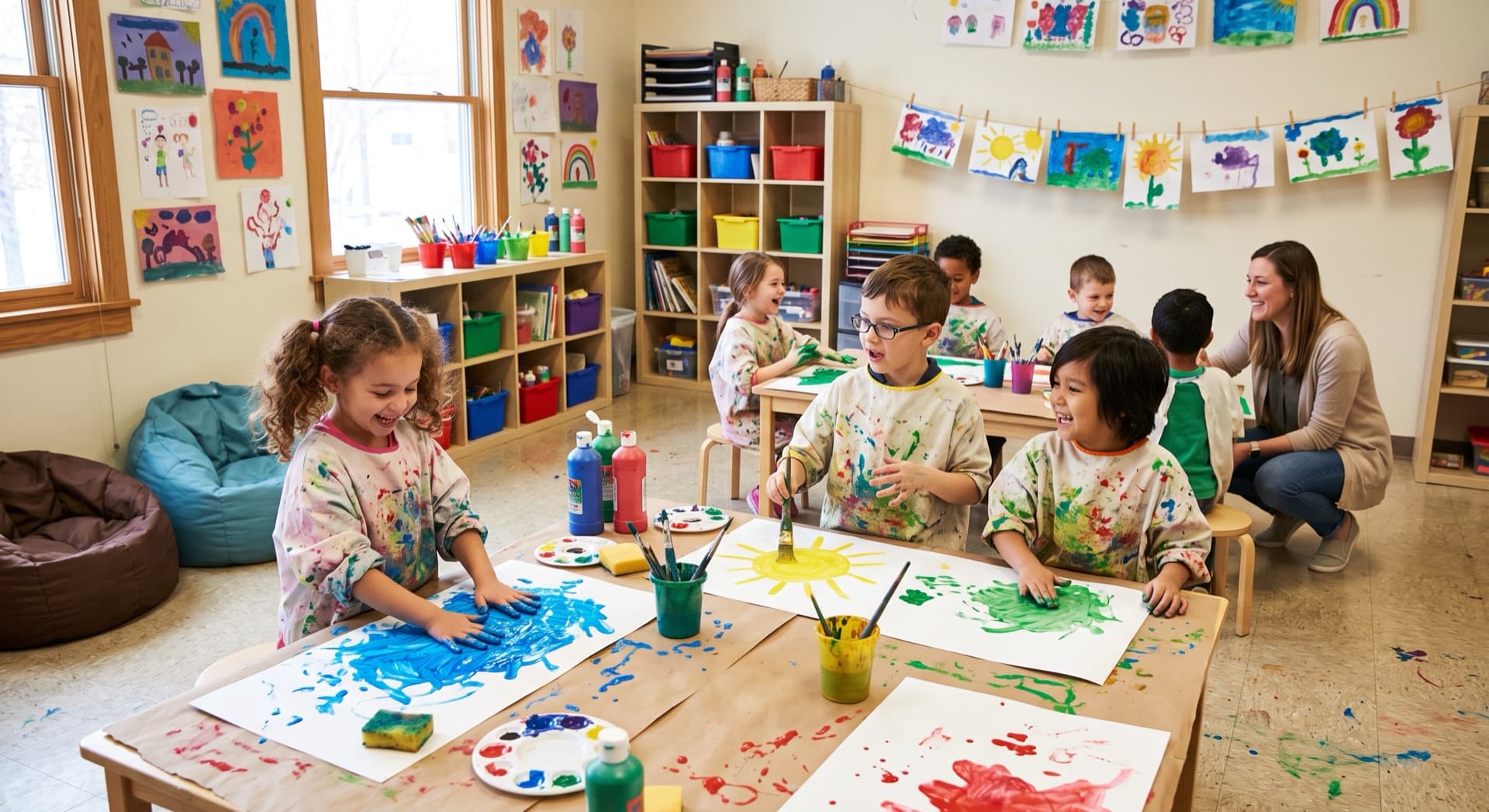
Play and art therapy in hospital rooms, and educational support for children who have had to pause school.

We provide accommodation and travel support throughout treatment for families coming from other cities.
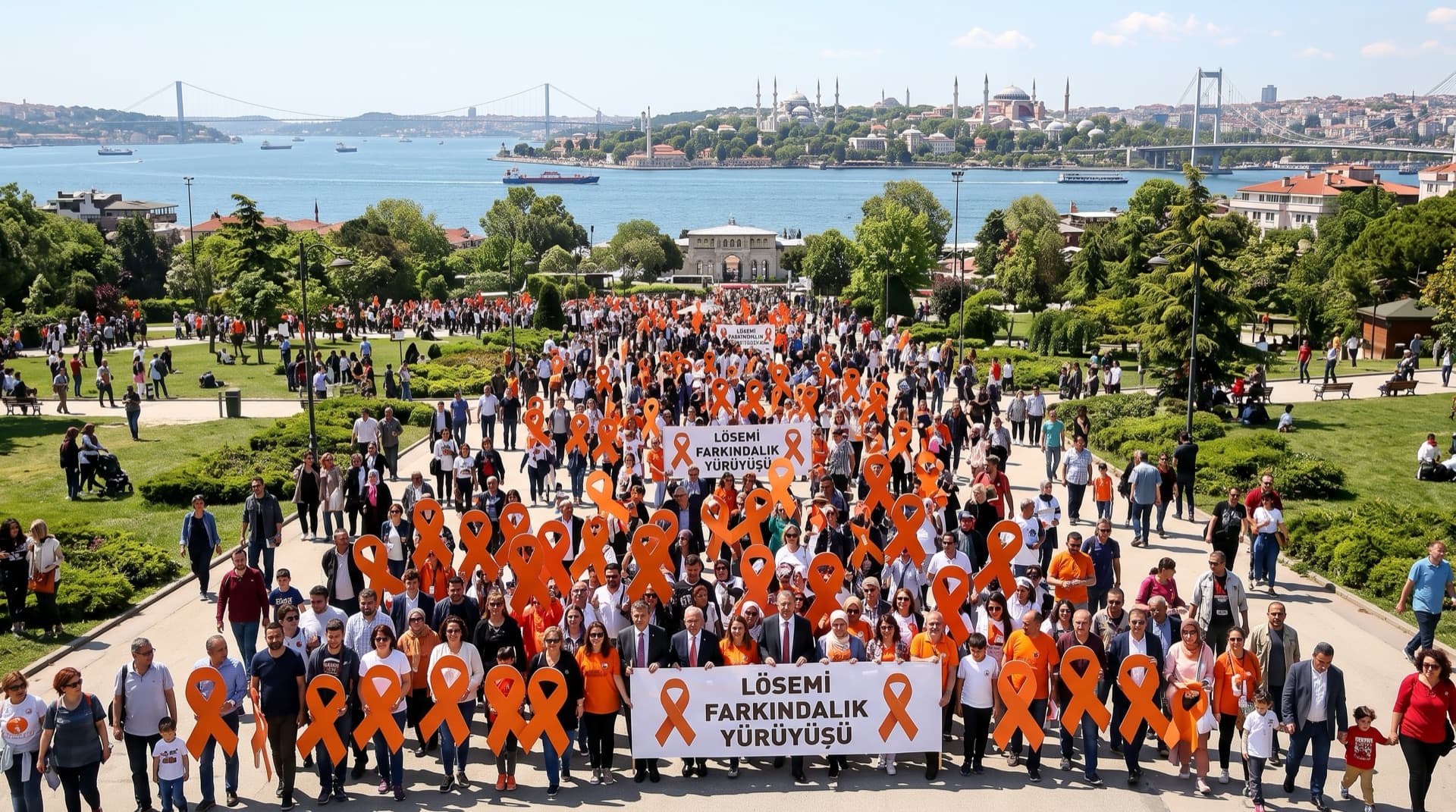
We raise awareness about leukemia, stress the importance of early diagnosis and spread our movement for good.